Platform 1
Swiss Rail Days
Switzerland is one of the easiest countries in the world to see without a car. Trains, yellow post buses, lake boats and mountain railways fit together into one timetable, and once you understand how it works, a day can link three or four very different places.
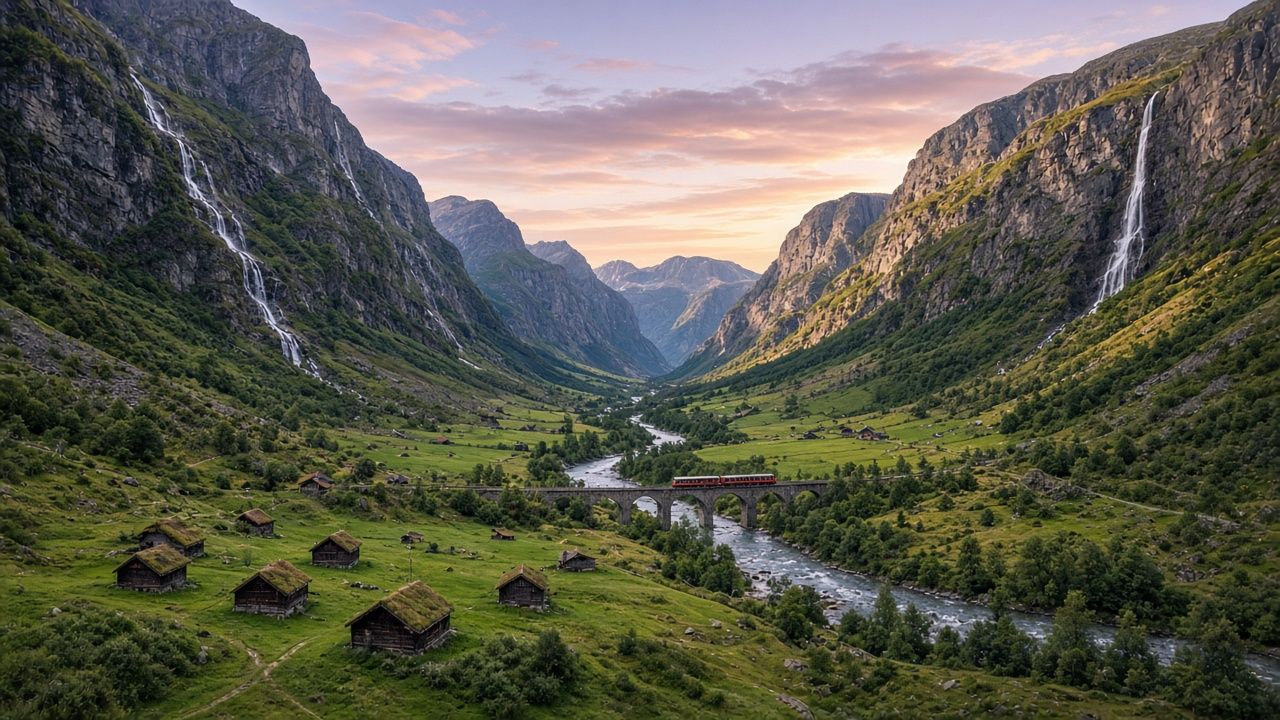
How the timetable fits together
Swiss public transport runs on a clock-face timetable: many lines leave at the same minutes past every hour or half hour, and the main hubs are planned so that trains arrive just before connecting services leave. In practice this means a short, tidy change rather than a long wait, and it is why a missed train is rarely a disaster. The next one usually runs at the same minute an hour later, or sooner.
- Trains cover the main valleys and cities. The national operator runs most long-distance services, and regional companies run many mountain lines.
- Post buses (the yellow ones) reach villages and passes the railway does not.
- Lake boats run on the larger lakes, many on a reduced timetable outside summer.
- Mountain railways and cable cars climb to viewpoints, and many are run by separate companies with their own fares.
Tickets and passes, in plain terms
| Option | How it works | Good for |
|---|---|---|
| Single and return tickets | Bought in the official app or at a station machine before you board | A short stay with only a few journeys |
| Saver tickets | Cheaper fares tied to a particular train, released in limited numbers | Fixed plans, booked a little in advance |
| Half-fare card | Pay once, then most fares are halved for a set period | A trip with plenty of travel but a flexible plan |
| Travel pass for visitors | Unlimited trains, buses and boats on the network for set days, with many mountain lines discounted | Lots of travel on consecutive days |
Fares, pass prices and what each pass includes change from year to year, so check the current conditions with the official operator before you buy. A simple sum, adding up the journeys you really plan to make, usually shows which option is cheaper.
Buy before you board. On most Swiss trains you are expected to hold a valid ticket when you step on. Inspectors check often, and travelling without one brings a surcharge.
The famous scenic lines
- Glacier Express. Zermatt to St. Moritz across the Alps in roughly eight hours. It is often called the slowest express train in the world, and seat reservations are required.
- Bernina Express. From Graubünden over the Bernina Pass and down to Tirano in Italy. The Albula and Bernina lines are listed together as a UNESCO World Heritage site.
- GoldenPass Express. Montreux, above Lake Geneva, to Interlaken, through the meadows and chalets of the Bernese Oberland.
- Gotthard Panorama Express. A lake boat from Lucerne, then a train on the old mountain route through the Gotthard towards Ticino.
You do not need a named panoramic train to see the scenery. Ordinary regional trains often use the same tracks, cost less, run more often and let you get off at a village that catches your eye.
Tunnels under the Alps
The Gotthard Base Tunnel, opened in 2016, runs for about 57 kilometres beneath the mountains and is the longest railway tunnel in the world. Fast trains use it to link north and south. The older line above, with its spiral tunnels and the little church at Wassen seen three times from different heights, is still open for anyone who prefers the slow way.
Small habits that help
- Platforms are divided into lettered sectors. The departure screen often shows where first and second class will stop.
- First class is marked with a yellow stripe and a large “1” on the carriage.
- Many stations offer luggage services, so you can travel light between towns.
- Quiet zones exist on many intercity trains. Phone calls belong elsewhere.
- Mountain timetables change with the seasons. Some high lines and passes close in winter.